What Is A Forum?
A forum is an online platform where individuals can engage in discussions and share information on specific topics of interest. Users typically post questions, comments, or content, which others can r
More About Forum:
Forums, as we know them today, have their roots in the early days of the internet. The concept of forums can be traced back to the 1970s with the advent of electronic bulletin board systems (BBS). These early forums were text-based and allowed users to post messages that others could read and respond to. Fast forward to today, and forums have evolved into sophisticated online communities with millions of daily posts.
Let’s check out an example of an internet forum.
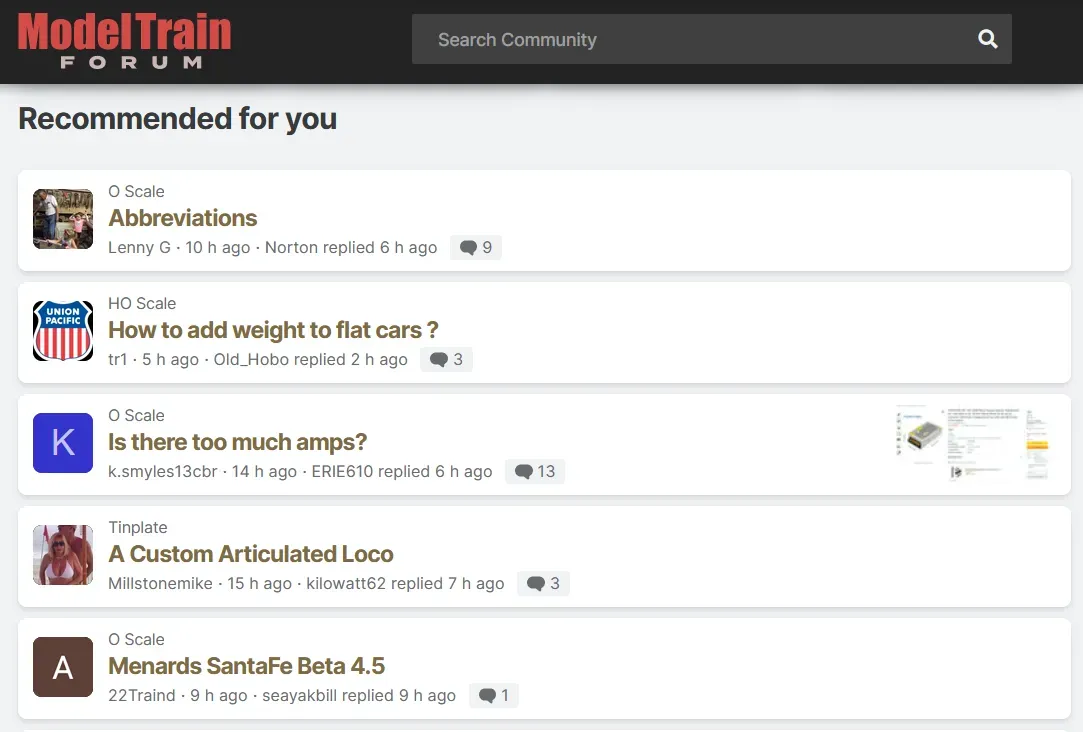
Forums operate as virtual discussion boards where users can initiate threads by posting questions, comments, or information. These threads are then open for other members to reply to, creating a rich tapestry of discussion and debate. Here's a breakdown of how forums typically function:
- Threads and Posts: A thread is a series of posts on a particular topic. A user starts a thread by posting a query or a discussion point, and other members contribute by adding their replies.
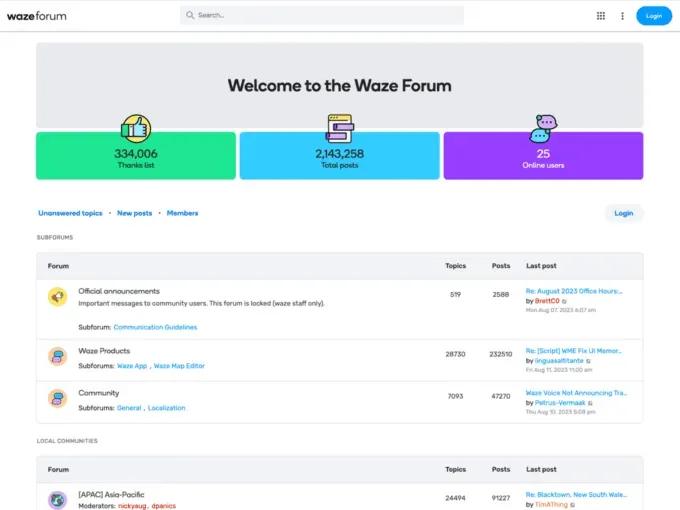
- Categories and Subcategories: Forums are often organized into categories (and subcategories) to keep discussions focused. For example, a technology forum might have categories for software, hardware, and programming.
- Moderation: Forums usually have moderators who oversee discussions, enforce rules, and ensure a respectful and productive environment.
Forums offer anonymity, allowing users to engage in more honest and open discussions. They also attract specialized communities, providing a valuable resource for niche topics that may not be extensively covered on larger social media platforms.
Let’s look at another example of a popular forum.
Forums vary widely depending on their focus. Some common types include:
- Interest-based Forums: These forums cater to specific hobbies or interests, such as gardening, photography, or gaming.
- Professional Forums: These are aimed at professionals in specific industries, like marketing, law, or healthcare, where members can share industry insights and best practices.
- Support Forums: These forums provide a space for people to seek and offer support on various issues, including mental health, addiction, and personal finance.
From an SEO perspective, forums can be a valuable asset. They generate user-generated content that is often rich in keywords and long-tail search queries, helping to drive organic traffic. Additionally, links from forum posts can improve a website's backlink profile, further boosting its search engine rankings.
Getting involved in forums is easy. You can start by:
- Joining Existing Forums: Find forums that align with your interests or professional field, and begin participating in discussions. Platforms like Reddit, Facebook Groups, and LinkedIn Groups offer numerous options.
- Creating Your Own Forum: If you have a niche interest or run a business, creating your own forum can be beneficial. Ensure you establish clear guidelines and moderate discussions to maintain a positive environment.
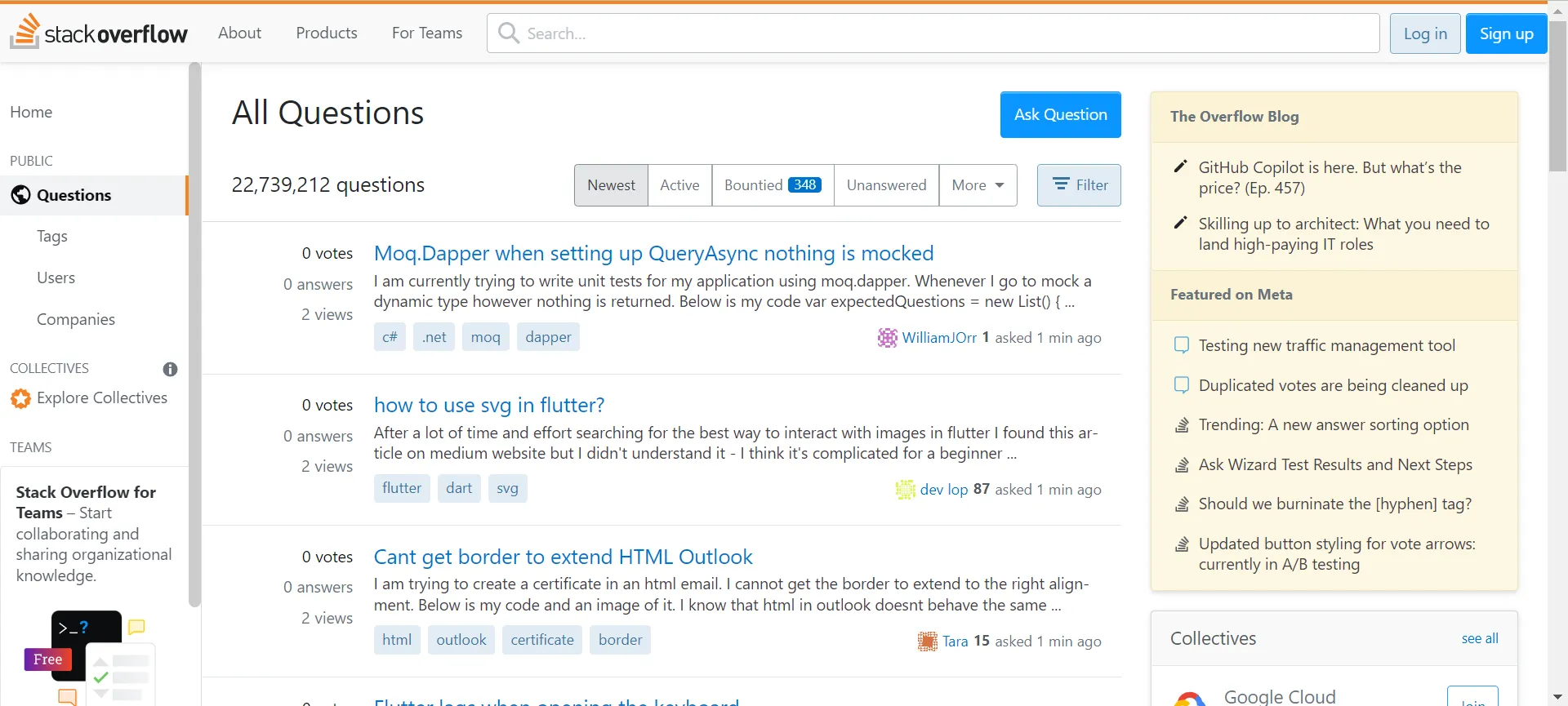
Here’s an example of a popular tech forum—Stack Overflow, where developers ask coding questions and get expert answers from the community.