What Is An eBook?
An eBook, or electronic book, is essentially a digital version of a traditional book. You can read eBooks on various devices, from tablets and smartphones to e-readers like the Kindle. They are design
More About eBook:
Did you know the concept of an eBook goes way back to 1930? Back then, it was known as the ‘Readie’. The first actual eBook was introduced in 1971 by Michael S. Hart. He typed out the ‘Declaration of Independence’ and made it available for download online through ARPANET. Just six people downloaded it! Fast forward to 1997, when the Rocket eReader hit the market, and by 2007, the Amazon Kindle revolutionized how we read digitally.
Fun fact: eBooks were initially used for detailed product instructions. Today, they cover everything from fiction to non-fiction, and even serve as marketing tools.
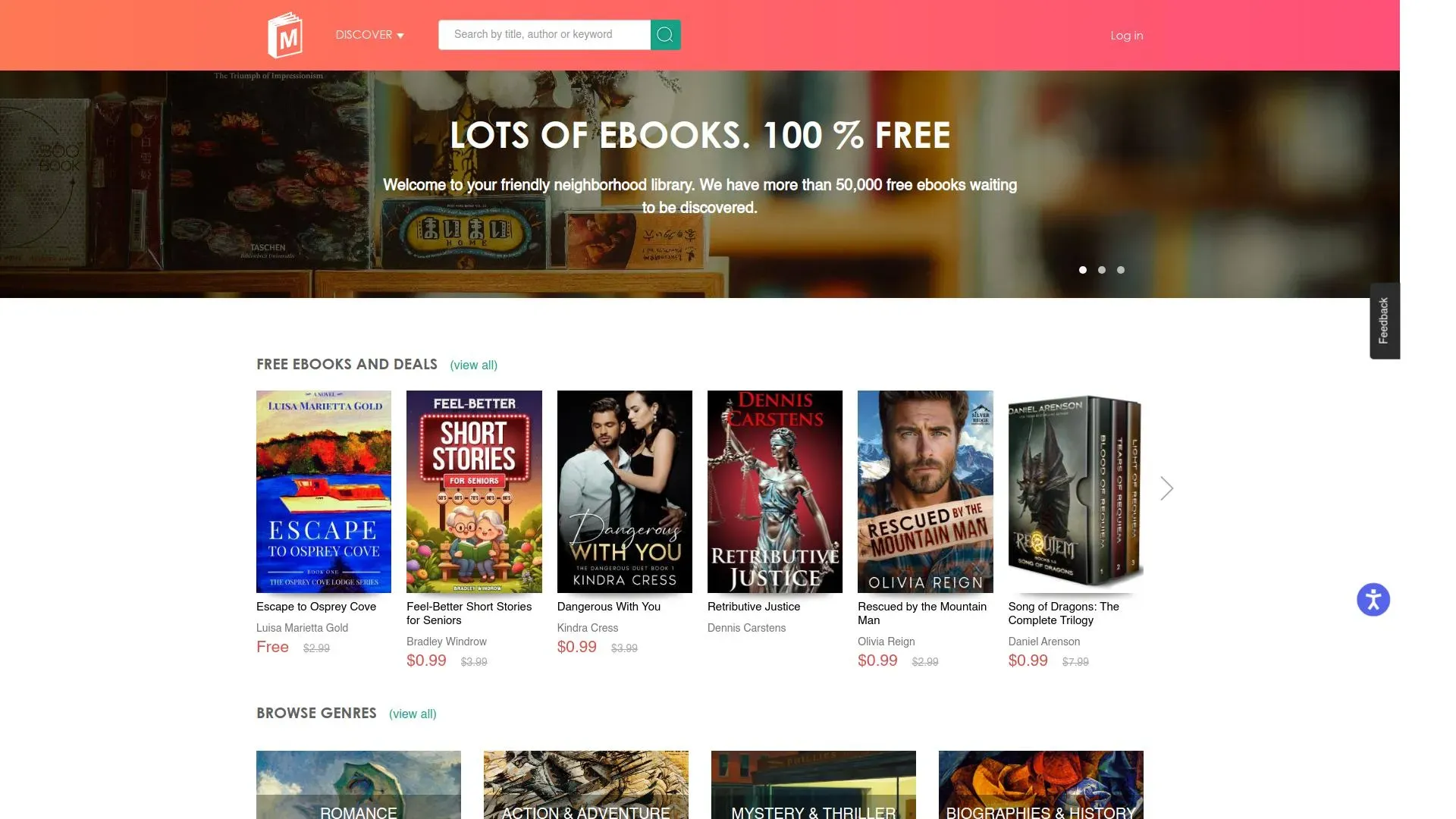
Let’s check out an example of a website that provides access to over 50,000 eBooks online called ManyBooks!
Let’s see what role eBooks play in marketing:
So, what role do eBooks play in modern marketing? They’re more than just digital books; they’re powerful tools for building your brand and connecting with customers. Here’s how eBooks can benefit your marketing strategy:
- Attract Potential Clients: eBooks can serve as an inbound marketing tool. By offering valuable content, you encourage potential clients to return for more help, advice, or services.
- Sponsored Content: eBooks make excellent sponsored content on platforms like Facebook and LinkedIn. They help businesses reach a targeted audience and boost visibility.
- Product Promotion: Use eBooks to promote your products or services. They provide a platform to showcase what you offer in a detailed and engaging format.
- Lead Generation: Offering an eBook in exchange for contact information is a great way to generate leads. This tactic helps you build a list of potential customers for future marketing efforts.
- Establish Expertise: Creating eBooks on specific topics positions you as an authority in your field, building trust and credibility with your audience.
There are several formats for eBooks, each with its own benefits. Let’s check some of them:
- PDF: Easy to produce and user-friendly, but lacks multimedia support.
- HTML5: Interactive and easy to load, but not downloadable.
- EPub: Simple to create, but limited in design flexibility.
- Mobi: Compatible with Kindle devices.
Choosing the right format depends on your needs. For instance, if you want to include videos, PDF might be the way to go.
When it comes to design, eBooks can range from simple black-and-white layouts to vibrant, interactive designs. The key is to create a design that resonates with your audience and enhances their reading experience.
eBooks are a versatile tool for both readers and marketers. Whether you're looking to enjoy a good read or leverage them for business growth, eBooks offer a modern twist on traditional books with a host of benefits. So next time you’re crafting a marketing strategy, consider the powerful impact of an eBook!